
Guide
18 questions to ask a Korean cosmetics manufacturer before you pay for anything
The questions we get from experienced buyers, the reason each one matters, and what a straight answer sounds like. Our own answers are included, including the uncomfortable one.
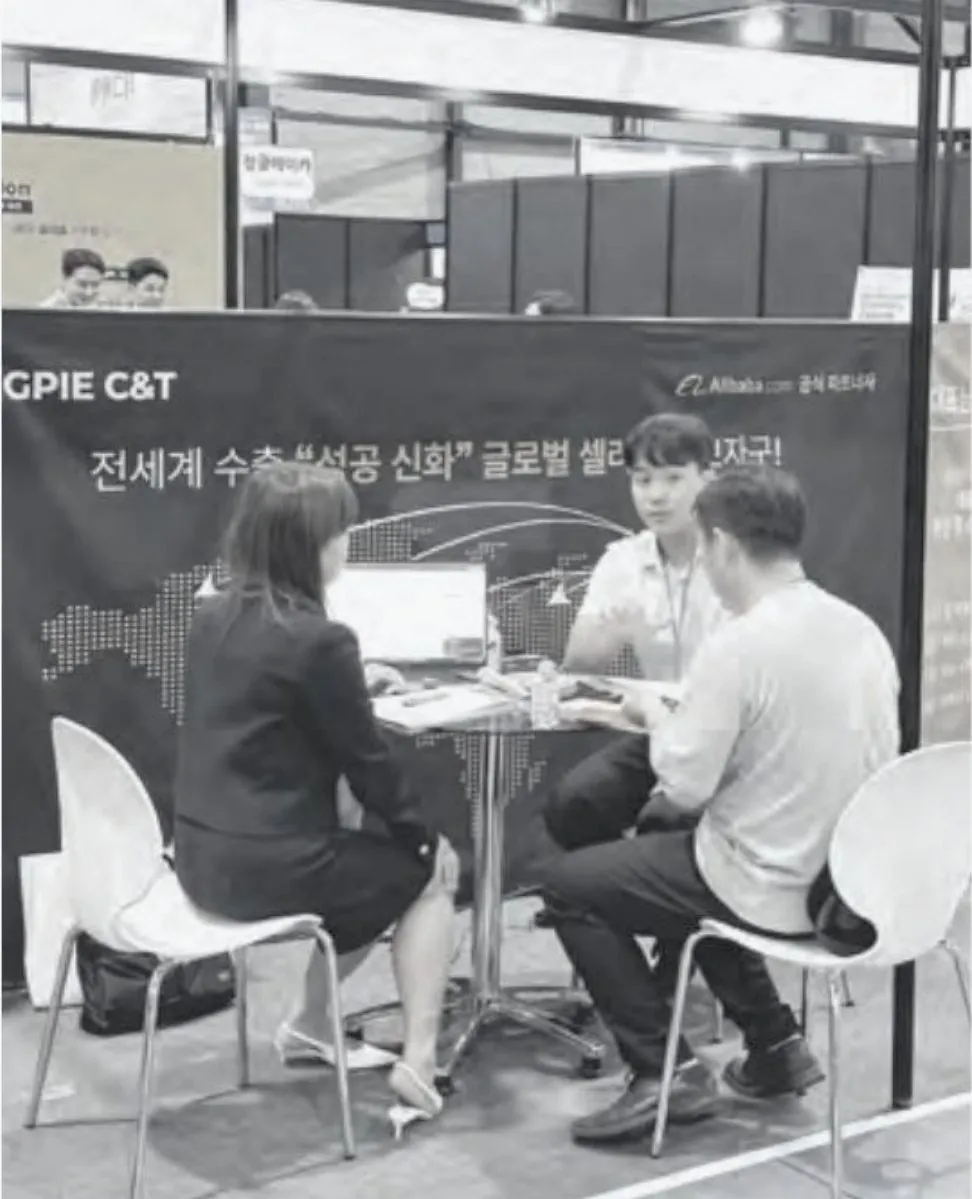
Who are they?
Read moreShow less
1. Do you own the factory?
Why ask: It decides who you are actually dealing with and where the limits are. A factory is limited to its own lines; a partner company is one more layer.
Good answer sounds like: A yes or a no, followed by what that means for you.
Our answer: No. BIGPIE C&T does not own a factory. We work with a network of 34 partner manufacturers in Korea and choose the line by category and quantity. Our team owns the brief, the sample approvals, the packaging, six quality checkpoints and the export file. The direct factory vs OEM partner comparison sets out what you gain and lose either way.
2. Which categories do you make most, and which do you not make?
Why ask: Every line is good at something. A sheet mask specialist will quote a serum, but the serum is not what they do.
Good answer: A short list of strengths and an honest "we do not do X" or "X needs 25,000 units".
Our answer: Skincare basics (toner, essence, serum, ampoule, lotion, cream) from 300 units with ready formulas. Sheet masks only from 25,000, hydrogel from 300,000, sunscreen for the US from 10,000. Our sample log shows what buyers actually ask us for.
3. Who will I talk to, and in what language?
Why ask: Projects fail on communication more than on chemistry.
Good answer: A named person, a response time, and a channel.
Our answer: The overseas sales team, by email and WhatsApp, with a reply within 24 hours on working days. The head of the team is Minjae Lee.
4. Which markets have you shipped to?
Why ask: A manufacturer that has exported to your market has already met its documents.
Our answer: Samples to 29+ countries, invoices to 430+ buyers since 2020, and our own brand notified in the EU on 2026-07-20.
What does it cost?
Read moreShow less
5. What is the minimum order for my category, and can it be reduced?
Why ask: MOQ is per category and per line. A "300 MOQ" headline rarely covers sunscreen or masks.
Good answer: A table by category, with the ones that cannot move marked.
Our answer: 300 (ready formula) and 1,000 (your own formula, new or adjusted) for skincare basics; 5,000 for cleansers, body and hair care and makeup. Sheet masks 25,000, other masks and patches 50,000, lip products 10,000, US sunscreen 10,000: fixed, and SKUs cannot be combined to reach them.
6. Are samples free, and how long do they take?
Good answer: A fee, a lead time, and whether the fee comes back.
Our answer: USD 150 per development round, about 2 weeks, credited in full against production. Not refunded if the project stops at samples. Courier paid by the buyer.
7. What exactly is in the unit price?
Why ask: Two quotes with the same number can differ by the cost of a pump, a carton and a label.
Good answer: An included and excluded list.
Our answer: For private label, included: formula, standard container and cap, one-color label, printed unit carton. Excluded: designated cap colours or moulds, registration, freight and duties, direct print below 1,000 units.
8. What is the Incoterm, and what are the payment terms?
Our answer: FOB Korea for the private label list, EXW for OEM and ODM, DAP for wholesale. 50% deposit to start production, 50% before shipment, by T/T. No letters of credit.
9. What does it cost to have my package designed?
Our answer: USD 200 for label, carton and container artwork by our design team. Not credited.
How does the project run?
Read moreShow less
10. How long from deposit to shipment?
Good answer: A range, and what moves it.
Our answer: 2 to 3 months including containers. Custom-printed containers, extra sample rounds and late artwork changes add time.
11. What quality checks happen, and when?
Good answer: Named stages, not "strict QC".
Our answer: Six stages: raw material purchase, bulk manufacturing (sensory, physical, microbiological and instrumental tests), storage and aging, filling and packing (appearance, fill volume, micro), finished goods, shipment approval. See quality.
12. Do I approve a golden sample before the balance?
Our answer: Yes. A finished unit in final packaging is approved by you before the balance is due, and it is the reference for the lot.
13. Can I use my own containers?
Our answer: Yes. We receive them, run a compatibility (CT) test between formula and container, confirm the result with you, then fill.
14. Who owns the formula?
Why ask: Decides whether you can move production later.
Good answer: Different for library formulas and new developments, stated in the contract.
Our answer: Library and ready formulas stay with the partner; your brand, artwork and adjustments are yours. Full ODM developments are agreed per contract.
"In our experience, the buyers who end up as long-term clients ask question one first. When we say we do not own a factory, some leave, and the rest ask what we do instead. That second conversation is the whole relationship." — Minjae Lee, Head of Overseas Sales
What do they supply for your market?
Read moreShow less
15. Can you provide the data for an EU PIF and CPSR?
Good answer: A list of the data, and a clear statement that they cannot be your Responsible Person.
Our answer: Yes: INCI list with percentages, raw material documents, stability and compatibility results, microbiological results, manufacturing method. We introduce an RP; a Korean manufacturer cannot be one. We have done this for our own 4 SKUs. See the EU guide.
16. Is the facility that will make my product registered with the FDA under MoCRA?
Our answer: We tell you the registration status of the partner line planned for your project, and supply the product listing data. The responsible person named on your label lists the product.
17. Which export documents come with the order?
Our answer: MSDS, full INCI list, COA, certificate of free sale, commercial invoice, packing list, bill of lading, certificate of origin.
18. Can I see a reference or a case?
Good answer: A case with dates and numbers, not a logo wall.
Our answer: Our own brand PURYNN, from formula to EU notification, is the case study. Client names are not published.
The 18 questions in one table
| # | Question | Good answer has |
|---|---|---|
| 1 | Do you own the factory? | Yes or no, then what it means for you |
| 2 | Strongest categories, and which you do not make? | A short list and an honest exclusion |
| 3 | Who will I talk to? | A name, a channel, a response time |
| 4 | Which markets have you shipped to? | Countries and dates |
| 5 | MOQ for my category? | A table, fixed minimums marked |
| 6 | Sample fee and lead time? | Fee, weeks, credit policy |
| 7 | What is in the unit price? | Included and excluded lists |
| 8 | Incoterm and payment terms? | Named terms and percentages |
| 9 | Design fee? | A number |
| 10 | Deposit to shipment? | A range and what moves it |
| 11 | Quality checks? | Named stages |
| 12 | Golden sample before balance? | Yes |
| 13 | My own containers? | A compatibility test |
| 14 | Who owns the formula? | Different for library and ODM, in the contract |
| 15 | EU PIF and CPSR data? | A data list, and "we cannot be your RP" |
| 16 | FDA facility registration? | Status of the specific line |
| 17 | Export documents? | A list |
| 18 | A reference case? | Dates and numbers |
What is the most important question to ask a cosmetics manufacturer?
Whether they own the factory, and what they do if not. The answer tells you who controls the line, who you call when something goes wrong, and which categories are really theirs.
Should I ask for certifications?
Ask which certifications the specific partner line holds for your product and market, and ask to see the documents. Be wary of certificates claimed for the company when production happens elsewhere.
How do I check a Korean manufacturer is legitimate?
Ask for the legal name and business address, check the Alibaba verified profile if they have one, ask for a reference case with dates, and order samples before you pay a deposit. A video call with the sales team helps.
Is it rude to ask about factory ownership?
No. It is the normal first question from experienced buyers, and a manufacturer that avoids it is telling you something.
How many manufacturers should I compare?
Three is usual. Send the same brief to each and compare the itemized quotes line by line; the quote-reading guide shows how.
Have a question that is not on the list? Ask it, or send a brief and we will answer all 18 in the quote.
Tell us what you want to make.
Send the product, market and quantity. You get a written quote and a formula route within 24 hours.